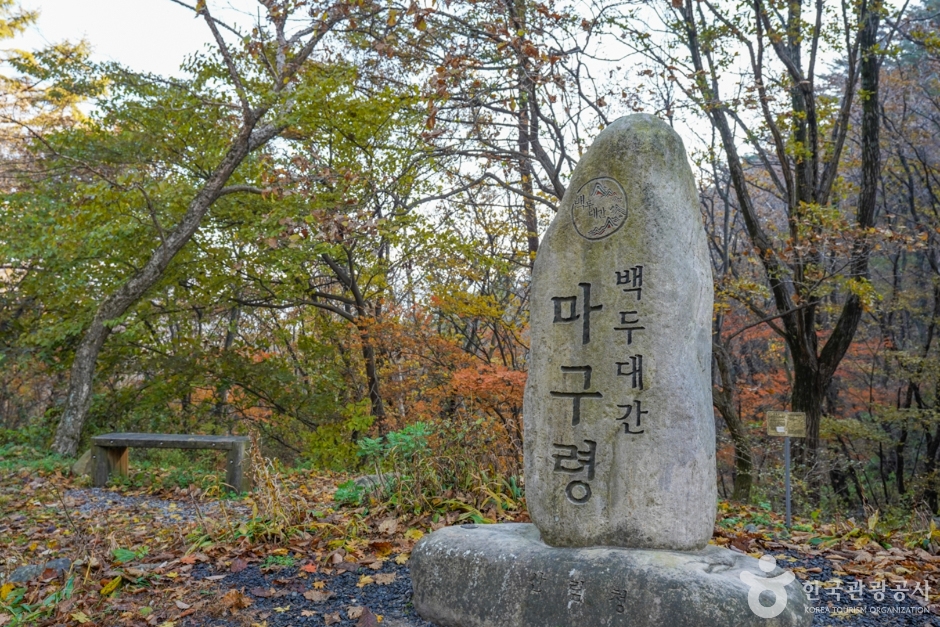
Maguryeong Pass / Gochiryeong Pass (마구령/고치령)
2024-02-23
[Maguryeong Pass] Imgok-ri, Buseok-myeon, Yeongju-si, Gyeongsangbuk-do
Maguryeong Pass and Gochiryeong Pass stand as iconic hills of Sobaeksan Mountain. They are known for their historical significance as rugged pathways where people and goods traversed during the Goryeo and Joseon dynasties. Situated on the easternmost edge of Sobaeksan Mountain, Maguryeong Pass derives its name from its function: "Magu" meaning "harness" and "Ryeong" meaning "pass" in Korean, highlighting its past as a route where merchants commonly traveled on horseback. Meanwhile, Gochiryeong Pass served as a vital transport link to the Gwandong and Hoseo regions. In the Silla dynasty, this pass was earmarked for palace construction at the base of the hill, which led to its name "Gochiryeong" – "Go" indicating "old", "Chi" representing "hill", and "Ryeong" meaning "pass" in Korean – effectively translating to "old hill pass".
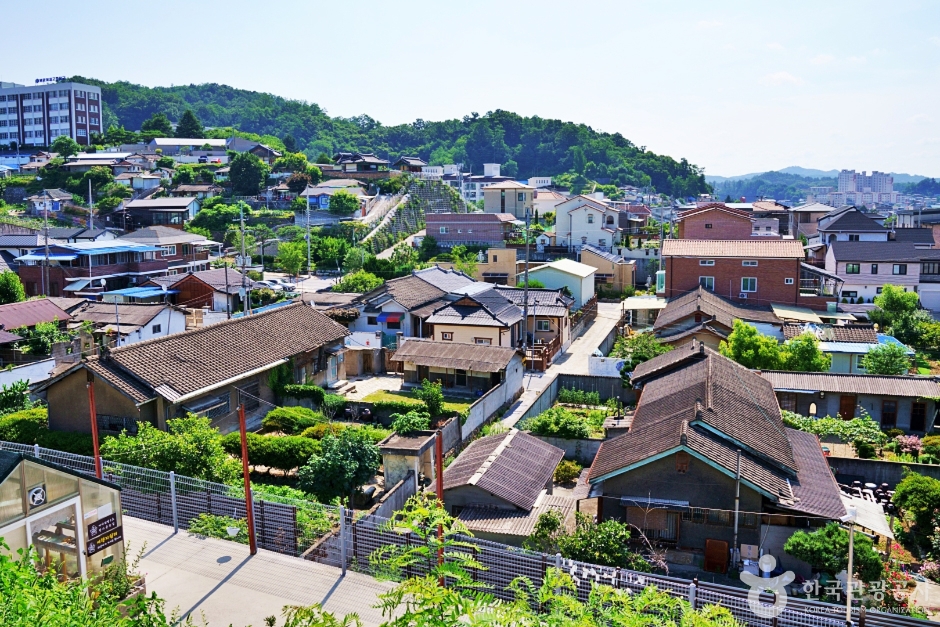
Yeongju Modern History & Culture Street (영주근대역사문화거리)
2024-02-23
Yeongju-dong, Yeongju-si, Gyeongsangbuk-do
Yeongju Modern History and Culture Street serves as a historical and cultural hub, encapsulating the life and times of early twentieth-century Yeongju. The street is dotted with cultural properties officially recognized by the Cultural Heritage Administration. Highlights include the preserved official residences No. 5 and No. 7 of Yeongju Station, once home to railway station employees. Additionally, visitors can explore the Pungguk Rice Mill, showcasing vintage rice milling machinery; Yeongju Jeil Church, a 1909-built structure exemplifying Gothic-style architecture; Yeongju-dong Modern Hanok, a subsidiary structure of an ancient residence; and the still-operating Yeonggwang Barber Shop, a testament to the area's enduring heritage.
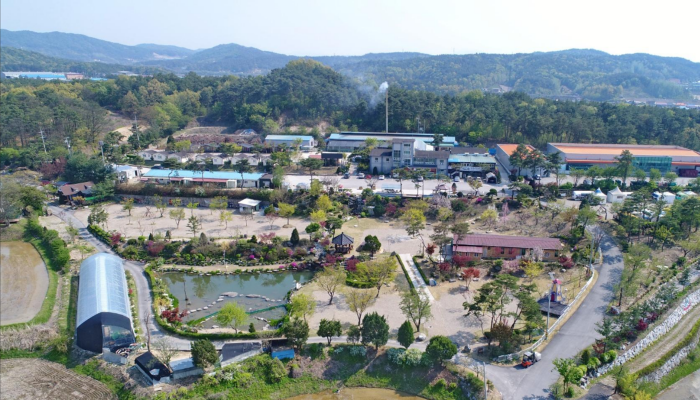
Yeoju Charcoal Village (여주참숯마을)
2024-02-23
40 Geolchondong-gil, Gangcheon-myeon, Yeoju-si, Gyeonggi-do
Yeoju Charcoal Village is a multifaceted leisure facility featuring charcoal saunas, an auto campground, and pensions. The charcoal saunas have gained such popularity that an auto campground was established nearby. These saunas comprise ten red clay rooms, which are heated by burning oak wood for five days. After the charcoal is removed, visitors can enjoy the residual heat for steaming in the sauna rooms. For accommodation, there are fourteen pension buildings and a campground segmented into six zones, totaling 120 sites.
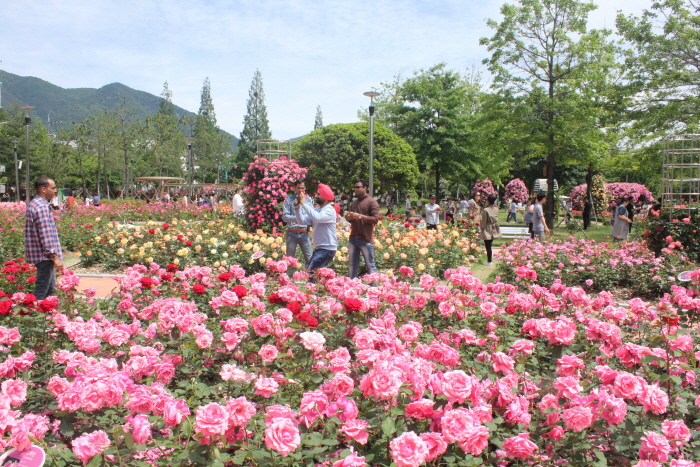
Changwon Rose Garden (창원 장미공원)
2024-02-07
31 Gaeum-dong, Seongsan-gu, Changwon-si, Gyeongsangnam-do
This garden, situated in the heart of Seongsan-gu, Changwon, boasts 23,000 roses representing 98 species from around the world. At its peak in May but blooming late spring to early summer, it becomes a magnet not only for Changwon locals but also for travelers with a penchant for plants. With rose tunnels and benches scattered throughout, it's an ideal spot for a leisurely walk.
Yeoju Spa (여주온천)
2025-06-25
864 Gangmun-ro, Gangcheon-myeon, Yeoju-si, Gyeonggi-do
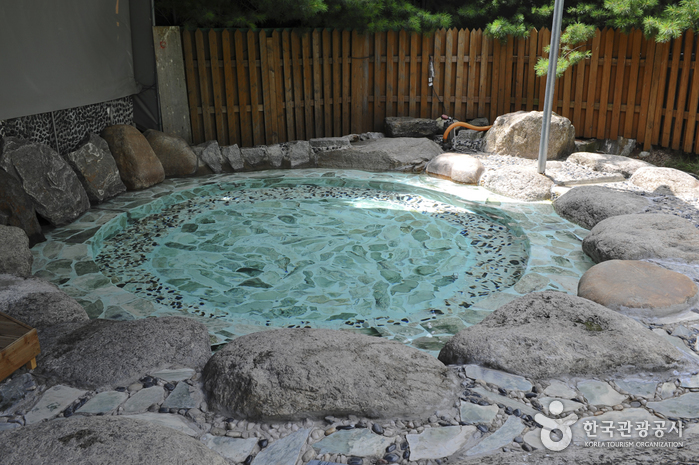
At Yeoju Spa, the hot spring water emerges from 800 meters below the bedrock, rich in various minerals beneficial for neuralgia, arthritis, and skincare. The water, also drinkable, aids in alleviating digestive issues. The open-air bath's floor is lined with natural jade, offering a pressure point massage for bare feet. Visitors can simultaneously indulge in a forest bath and a hot spring bath, enjoying a holistic wellness experience.
Ludensia (루덴시아)
2025-07-01
177 Geumpum 1-ro, Sanbuk-myeon, Yeoju-si, Gyeonggi-do
Ludensia is a European-style theme park constructed using 1.6 million bricks, among which are vintage bricks directly imported from Europe. The park houses various galleries, studios, and a café. Notable attractions include the Train Gallery, boasting over 1,000 model trains; the Antique Gallery, home to a 700-year-old wooden Jesus statue; the Analog Studio, featuring classic albums such as The Beatles' "Yesterday and Today (1966)"; and the Tram Studio, showcasing miniature trams.

Samseonggung (삼성궁)
2024-02-21
86-15 Samseonggung-gil, Cheongam-myeon, Hadong-gun, Gyeongsangnam-do
Samseonggung is a Taoist shrine located at 850 meters above sea level on Jirisan Mountain. It serves as a spiritual hub for practicing Sinseondo, embodying traditional Korean culture. In 1983, Kang Min-ju (Taoist Priest Hanpul), along with his disciples, restored the sodo, a sacred altar from the Gojoseon period. This shrine stands as a revered sanctuary, honoring the primal ancestors of the Korean people: Hwanin (Lord of Heaven), Hwanung (Supreme Divine Regent), and Dangun (legendary founder of Gojoseon).
Tongyeong Lighthouse Fishing Park (통영등대낚시공원)
2024-02-08
441 Samchingihaean-gil, Sanyang-eup, Tongyeong-si, Gyeongsangnam-do
Tongyeong Lighthouse Fishing Park is a bridge-shaped fishing facility, conveniently situated near the Donam Tourist Complex in Tongyeong. It was established in 2006 when Tongyeong was selected as a pilot site for the Marine Fishing Park project initiated by Gyeongsangnam-do. Known as an ideal spot for sea fishing, it offers stunning views of the Hallyeo National Marine Park. This location allows visitors to enjoy sea fishing safely without the need to venture far out to sea by boat.
Yeoju Hwangpo Sailboat (여주 황포돛배)
2024-02-23
Cheonsong-dong, Yeoju-si, Gyeonggi-do
The Yeoju Hwangpo Sailboat, historically utilized for transporting goods in the Joseon period and propelled by the wind, has been recreated on the Namhangang River. It operates from the riverside recreation area to Silleuksa Temple, making the round trip seven times daily.
Bangujeong Pavilion and Historic Site of Hwang Hui (반구정과 황희선생유적지)
2024-02-07
3 Bangujeong-ro 85beon-gil, Munsan-eup, Paju-si, Gyeonggi-do
Bangujeong is a pavilion situated in the lower reaches of the Imjingang River. It's where Hwang Hui (1363-1452), a civil servant from the late Goryeo and early Joseon dynasties, spent his later years after resigning from his position as Yeonguijeong, the highest-ranking official in the Joseon dynasty. This historic site dedicated to Hwang Hui includes a shrine erected in his memory and the Gyeongmojae Shrine, which houses details about his accomplishments.
 English
 한국어
한국어 日本語
日本語 中文(简体)
 Deutsch
 Français
 Español
 Русский


