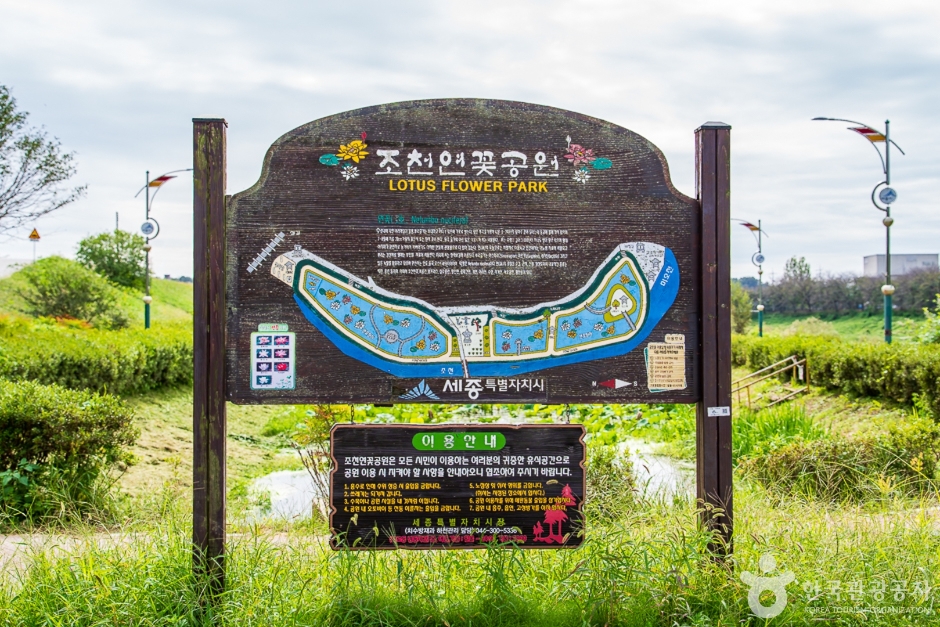
Jocheon Lotus Park (조천연꽃공원)
2025-05-20
226 Beonam-ri, Jochiwon-eup, Sejong-si
Jocheon Lotus Park is an ecological park established by cultivating white lotus, red lotus, and water lilies on abandoned agricultural land. Developed on former farmland, the park blossoms with vibrant lotus flowers during the summer months of July and August. As visitors stroll along the deck path, they can relish the soothing sounds of Jocheon Stream. The pathway along the Jocheon Riverside is especially scenic in spring, adorned with cherry blossoms, earning it the name Jocheonbyeon Cherry Blossom Path. This provides a picturesque backdrop for flower viewing and photography.
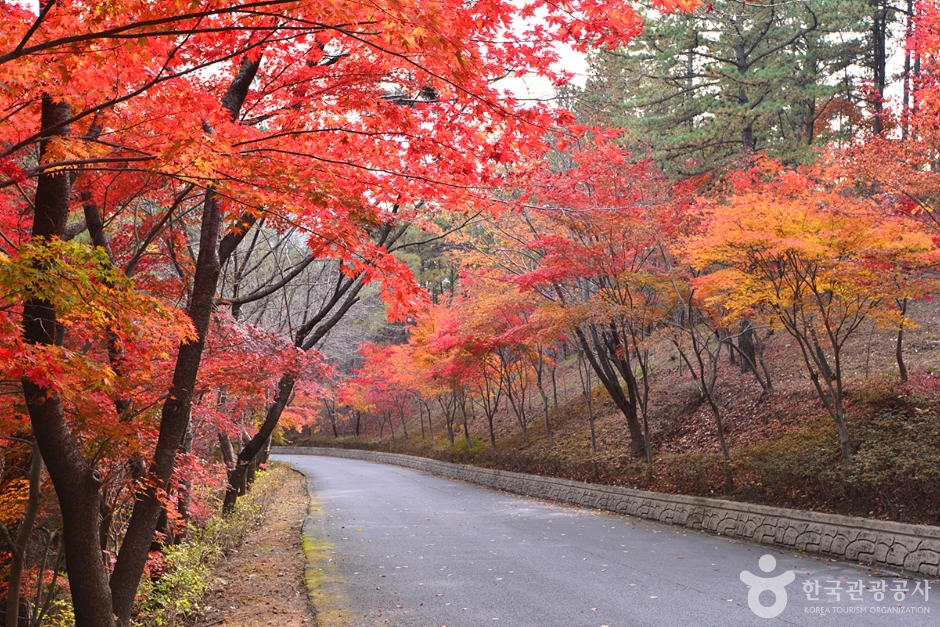
Baegasan Recreational Forest (백아산자연휴양림)
2024-02-20
353 Suyang-ro, Baega-myeon, Hwasun-gun, Jeollanam-do
Baegasan Recreational Forest, opened in 1996, is a natural recreational area situated near Donghwa Grotto, at the foot of Baegasan Mountain (Elevation 810 meters). The area boasts picturesque landscapes with rocky cliffs and clear streams. Along with walking trails, the recreation forest offers accommodation facilities such as great lawn, fitness training grounds, and pensions. It attracts many hikers with its hiking course leading to the summit of Baegasan Mountain.
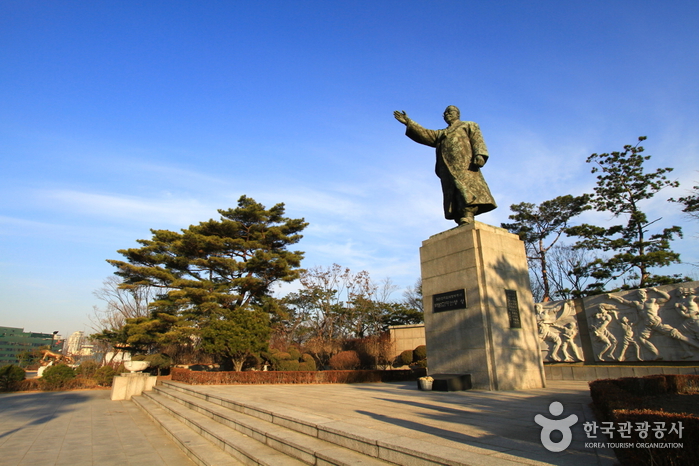
Baekbeom Kim Koo Statue (Baekbeom Plaza) (백범김구선생상(백범 광장))
2025-10-23
Hoehyeon-dong, Jung-gu, Seoul
Baekbeom Kim Koo Statue is located in Baekbeom Plaza in Namsan Park, Seoul. Erected in August 1969, the statue stands at a x_height of 10 meters. It commemorates the patriotic spirit of Kim Koo, who was both an independence activist and a politician in South Korea. During the Japanese colonial period, he actively participated in anti-Japanese movements, and after liberation, he played a leading role in the establishment of the government of the Republic of Korea.
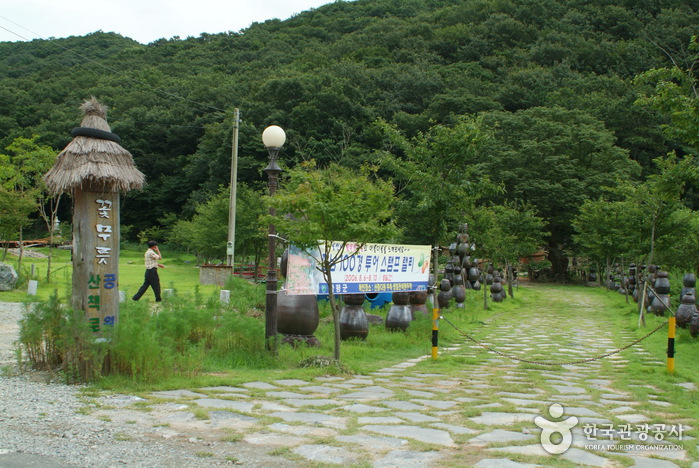
Red Spider Lily Park of Yongcheonsa Temple (용천사 꽃무릇공원)
2024-02-20
209 Yongcheonsa-gil, Haebo-myeon, Hampyeong-gun, Jeollanam-do
Red Spider Lily Park of Yongcheonsa Temple is a park where red spider lily form habitat. Starting to bloom in late August, by autumn, not only does Yongcheon Temple but also the park below the temple and the Gwangam Reservoir are all dyed red with the blossoms. In mid-September, during the peak blooming period of the flowers, the local festival called the Red Spider Lily Grand Festival takes place, featuring various events for both tourists and local residents.

Taehwagang Donggulpia (태화강동굴피아)
2024-02-20
306 Namsan-ro, Nam-gu, Ulsan
Taehwagang Donggulpia has transformed several artificial caves created by the Japanese military during the Japanese colonial period into a tourist attraction, originally intended for storing military supplies. Visitors can catch a glimpse of Ulsan's history and way of life during that era. Outside the caves, there is an artificial falls, and inside, various experiential zones such as the Cave Adventure Zone, Digital Sketch Experience Zone, and Lighting Art Zone offer diverse interactive experiences.
Yongma Falls Park (용마폭포공원)
2024-02-20
250-12 Yongmasan-ro, Jungnang-gu, Seoul
Yongma Falls Park is situated on the mid-slope of Yongmasan Mountain, established following the closure of an aggregate collection plant. The park showcases three artificial waterfalls: Cheongnyongpokpo Falls, Baengmapokpo Falls, and Yongmapokpo Falls. Each waterfall comprises two tiers, with x_heights ranging from 21m to 51.4m. The park is equipped with various amenities, including ponds, tennis courts, soccer fields, a wildflower garden, walking trails, and a barefoot walking trail.
Gyubongam Hermitage (Hwasun) (규봉암(화순))
2024-02-20
40-28 Dowon-gil, Iseo-myeon, Hwasun-gun, Jeollanam-do
Gyubongam Hermitage is a small hermitage located on Mudeungsan Mountain. It is believed to have been established during the Silla dynasty (B.C. 57-A.D. 935) and underwent renovations in 1959 to attain its current appearance. Renowned for its picturesque scenery, Gyubongam Hermitage is said to be a must-visit spot for those climbing Mudeungsan Mountain. It is particularly famous for its vibrant autumn foliage, and the area around the hermitage is abundant with rocky cliffs.
Ttangkkeut Monorail (땅끝모노레일)
2024-02-20
60-28 Ttangkkeunmaeul-gil, Songji-myeon, Haenam-gun, Jeollanam-do
Ttangkkeut Monorail is a tourist monorail that runs to the Ttangkkeut Village Observatory. It takes about 6 minutes for a one-way trip to the observatory, during which passengers can enjoy the beautiful scenery of Ttangkkeut Village in Haenam, stretching from the mountains to the sea. After enjoying the view from the top, visitors can descend via stairs to reach the Ttangkkeut Tower.
Historic Site of Gosan Yun Seondo (고산 윤선도 유적지)
2024-02-20
135 Nogudang-gil, Haenam-eup, Haenam-gun, Jeollanam-do
Historic Site of Gosan Yun Seondo is a memorial site dedicated to Gosan Yun Seondo (1587-1671), a government official and literary figure of the Joseon dynasty. Nogudang is the house where Yun Seondo lived, built in the 15th century. There is also a museum displaying numerous hanok and artifacts. It is situated in a beautiful location surrounded by large ginko trees and forests.
Jingwansaggyegok Valley (진관사 계곡)
2024-02-20
73 Jingwan-gil, Eunpyeong-gu, Seoul
Jingwansaggyegok Valley is a 1km-long stream located within the Bukhansan National Park, with clear water always flowing. Surrounded by deep forests, it offers refreshing shade and clean air. The valley features various shaped rocks and waterfalls, creating a beautiful scenery. In particular, it's a great spot for water activities with the cool shade and refreshing stream during the summer, and the autumn leaves make it stunning in the fall. Its accessibility from downtown Seoul adds to its appeal.
 English
 한국어
한국어 日本語
日本語 中文(简体)
 Deutsch
 Français
 Español
 Русский


