Sanghwawon (상화원)
2024-04-01
408-52 Nampobangjoje-ro, Nampo-myeon, Boryeong-si, Chungcheongnam-do
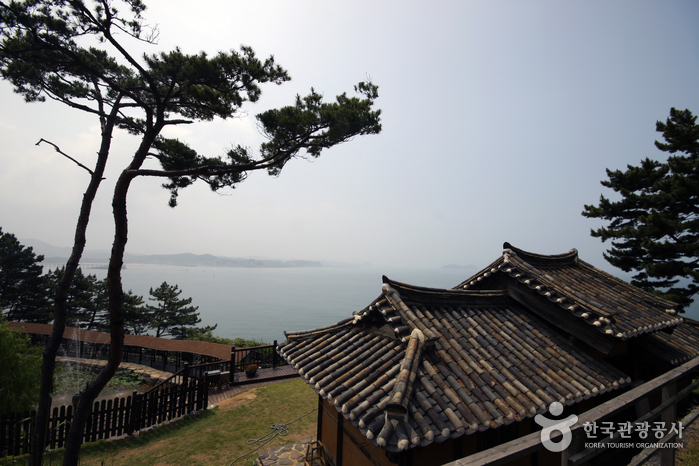
Sanghwawon is a traditional Korean garden that was created to protect Jukdo's natural environment. The name bears the meaning "reverence for harmony." A covered corridor of 1 kilometer in length surrounds the island, and it is said to be the longest in the world. Sanghwawon has various facilities, including the Uigokdang Shrine believed to have been built in the early Joseon dynasty, a hanok village, Panseok Plaza, and Sky Garden. Panseok Plaza is made of black sandstones, a specialty of Boryeong. With the x_height of a three-story building, Sky Garden offers a sunset view over the West Sea from high above.
Sanghwawon also has an accommodation facility with about 20 rooms decorated in a modern style, and is situated in a high location, so guests can admire the beautiful scenery of Sanghwawon outside the room. After the show "Young Actors' Retreat (2022)" was aired, the accommodation became popular as the place where the celebrities stayed.
Garam Resort (가람리조트)
2025-03-17
29 Buchaedeul-gil, Duchon-myeon, Hongcheon-gun, Gangwon-do
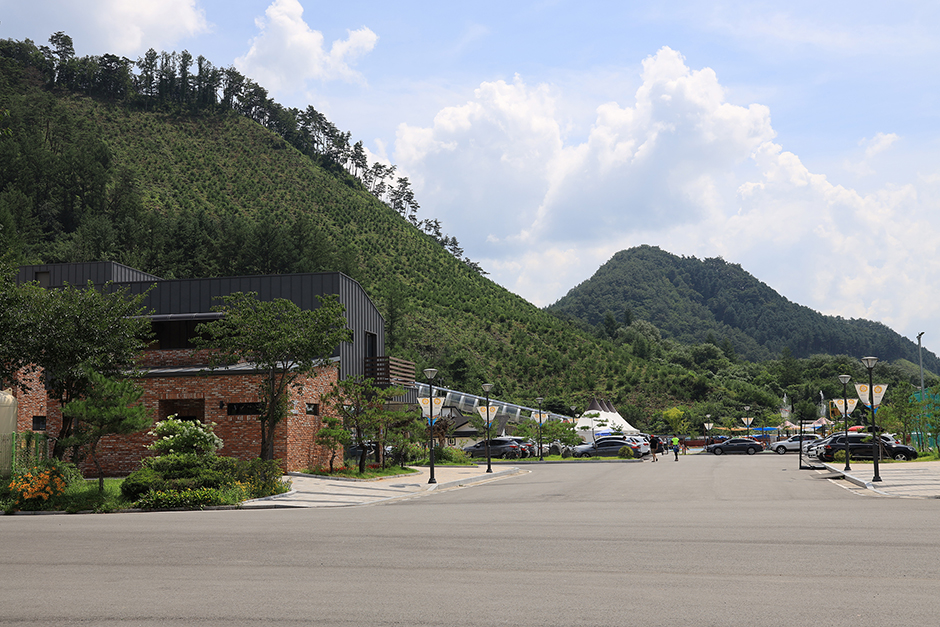
<p>This resort is located in Duchon-myeon, Hongcheon-gun, Gangwon State. There are facilities including a large artificial turf field, an outdoor swimming pool, a barbecue area, and a water <span>playground</span> where guests can enjoy a variety of activities. In particular, the year-round sledding slope is the pride of the resort and the highlight of its activities. One can enjoy <span>the cool breeze of Hongcheon while</span> riding a tube sled down a 100-meter-long lane. Sledding is available all year round, not just in the winter, so everyone can enjoy each season's atmosphere.</p>
Also, there are tourist attractions, including Garisan <span>Leports</span> Park, Garisan Recreational Forest, and Yongsopokpo Falls nearby.
Moseulpo Port (모슬포항)
2025-05-20
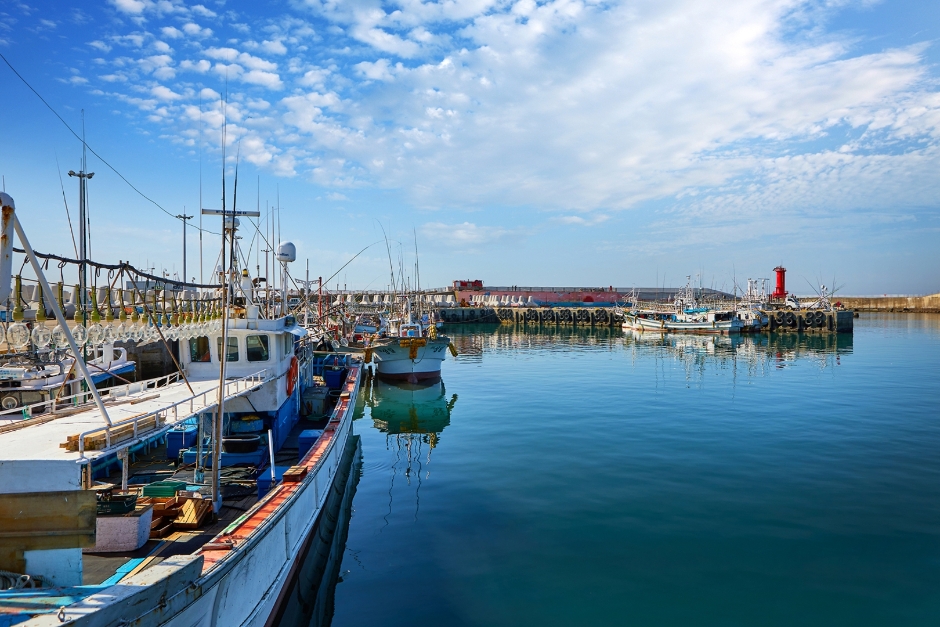
Moseulpo Port is a port hub and fishing base in the southwestern region of Jeju Island, where numerous ships from the fishing industry dock or depart. The name Moseulpo comes from the meaning "port with sand" in Korean. The fish caught at Moseulpo Port are the freshest and most representative of those caught on Jeju Island. Yellowtail and red tilefish are commonly caught here, so there are many seafood restaurants nearby. The place is known for its red lighthouse located nearby and its accessibility to Gapado Island. Visitors can enjoy both the ocean and the tranquil scenery of southern Jeju by walking along the well-paved olle trail along the beach. The distance from Moseulpo Port to Gapado Quay is about 1.2 kilometers and takes around 12 minutes on foot.
* At Gapado Quay, a ferry departs every hour from 09:00 to 15:00 (last departure time 15:50 / no returning boat after 15:00 & 15:50)
Hakpo Coast (학포해안 (울릉도, 독도 국가지질공원))
2024-03-29
166-29 Hakpo-gil, Seo-myeon, Ulleung-gun, Gyeongsangbuk-do
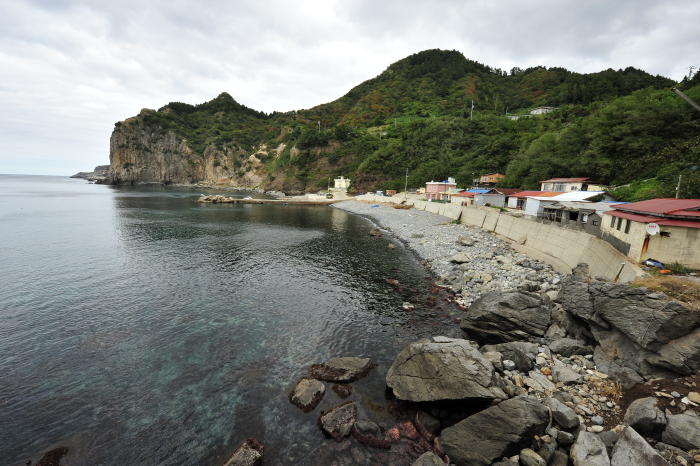
Hakpo is known for its beautiful coast as well as the remains that record the frontier history of Ulleungdo Island. There are agglomerate, tuff, and trachyte layers along the Hakpo Coast. The relatively hard trachyte layer that cannot be eroded by waves and remains has formed a cape (a large piece of land sticking out into the sea), while the agglomerate and tuff layers, which are subject to weathering and erosion, have formed a bay. Additionally, sea cliffs are found along the coast. As the lower part of the vertical columnar joints erodes, the upper part of the cliff collapses due to gravity, creating a steep cliff as the process is repeated. Visitors can also enjoy the atmosphere of Hakpo at the nearby Hakpo Campground.
Taeha Coastal Trail and Daepunggam Cliff (태하 해안산책로 및 대풍감 (울릉도, 독도 국가지질공원))
2024-03-29
Taeha-ri, Seo-myeon, Ulleung-gun, Gyeongsangbuk-do
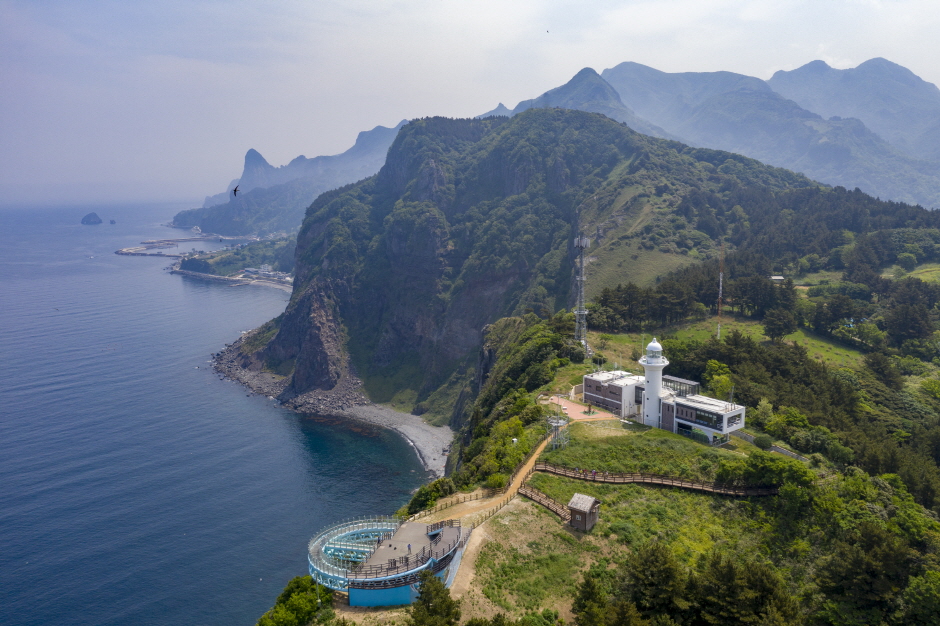
Taeha Coastal Trail can be reached by crossing the pedastrian bridge next to Hwangtogul Cave. While crossing the bridge, visitors can enjoy murals of Taeha Village and a photo zone. Taeha Coastal Trail is made up of trachyte and agglomerate rocks, and boasts beautiful coastal scenery due to the unique topography eroded by the wind. It is also where one can observe tafoni, a honeycomb-shaped rocks that weathered by the reaction of salts contained in sea breezes.
By taking the Taeha Hyangmok Tour Monorail for about 6 minutes and walking along the trail for about 20 minutes, visitors will reach Ulleungdo Lighthouse (Taeha Lighthouse) and the Hyangmok Geo Skywalk.
Junipers in Daepunggam Cliff grew in weathered soil formed in the cracks of columnar joints, creating a unique ecological environment isolated from inland areas for a very long time. Due to its significance, Junipers were designated as natural monuments.
Dodong Coastal Trail (도동 해안산책로)
2024-03-29
Dodong-ri, Ulleung-eup, Ulleung-gun, Gyeongsangbuk-do
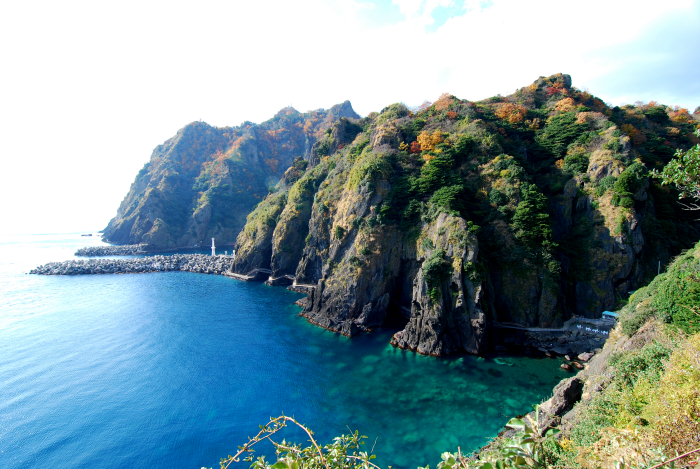
Dodong Coastal Trail leads to Jeodong Coastal Trail, and together, they form Haengnam Coastal Trail. Dodong Coastal Trail corresponds to section 1 of Ulleung Haedam-gil (2.8km) and is also known as the Coastal Trail 34 course. There is a walking trail with a rainbow bridge and LED streetlights with the geopark logo, making it an attractive geological site among tourists.
Various geologic structures formed by early volcanic activity on Ulleungdo Island can be observed on the Dodong Coastal Trail. There is a gradual decrease in the age of rock formations as you go from Dodong Port to Dodong Lighthouse. Basaltic lava flows, Clastic sedimentary rocks (rocks made up of pieces transported by landslides), ignimbrite (a volcanic rock formed by the consolidation of material deposited by pyroclastic flows), and trachyte (an extrusive igneous rock) can be found from bottom to top.
Taejongdae Cruise (Milky Way No. 3) (태종대 유람선 (은하수 3호))
2025-05-20
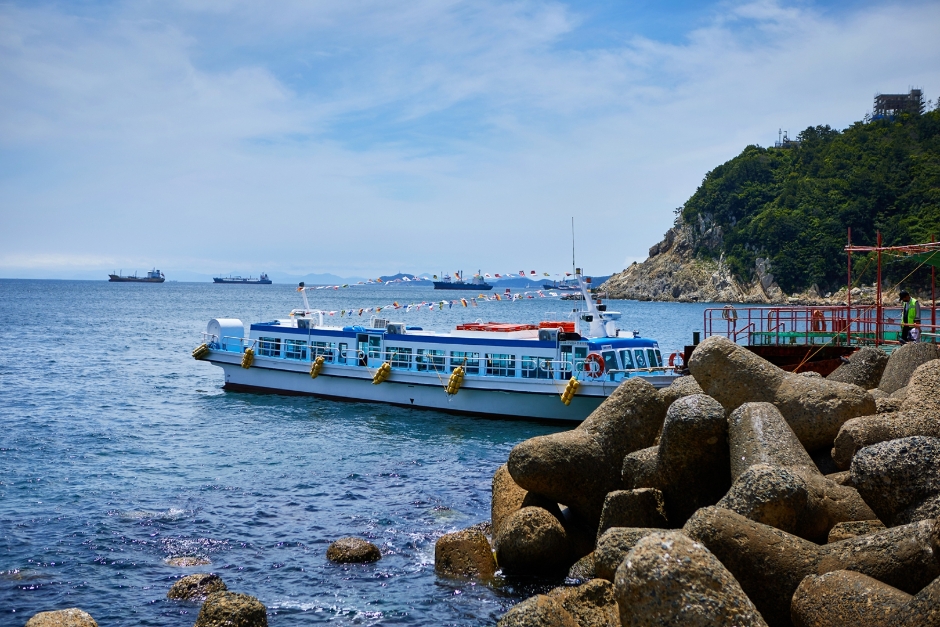
Busan's Taejongdae is known for its unique rock formations that look like they were carved out of steep cliffs with rolling waves. A cruise is the best way to enjoy the cliffed coast and blue sea of Taejongdae. The white foamy water is produced by the cruise ship that goes around Byeongpungbawi Rock, Observatory, Mangbuseok Rock, Sinseonbawi Rock, Yeongdo Lighthouse, and Sangwi Village. Brief explanations of each location are also provided. From the second floor of the cruise ship, you can see seagulls following the ship, making it even more exciting. The journey from the dock to Taejongdae takes about 40 minutes.
Cheongdo Provence (청도 프로방스)
2024-03-26
272-23 Iseulmi-ro, Hwayang-eup, Cheongdo-gun, Gyeongsangbuk-do
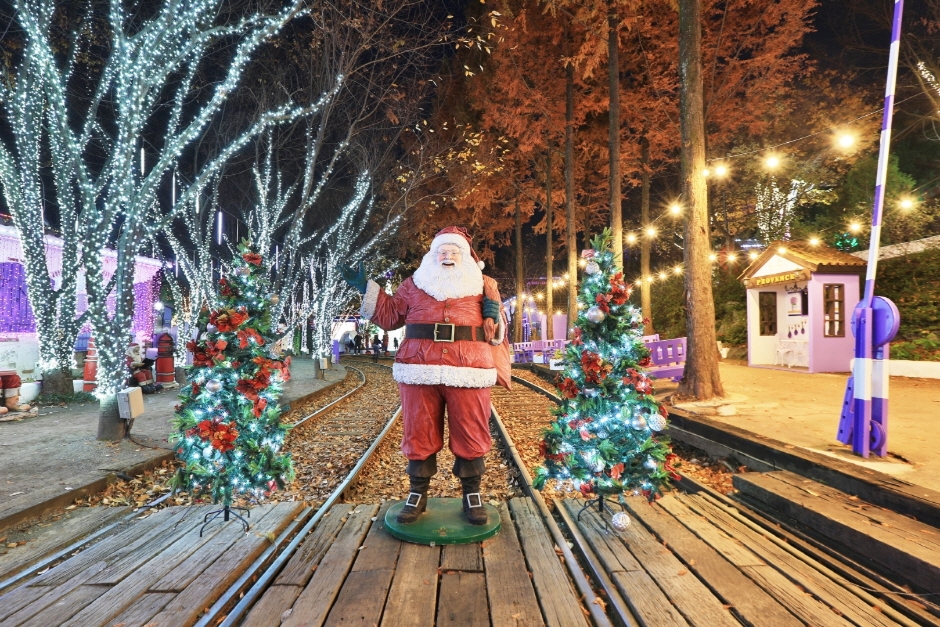
It's a representative theme park of Cheongdo. It is a travel destination that recreates the Provence region in southern France, surrounded by vineyards and lavender flower fields. It is a place where one can enjoy a unique and exotic trip with over 100 photo studios, prop stores, and little buildings. Visitors can enjoy the sculpture and the night view illuminated by colorful lights. In addition to photo spots, there is also a self-studio, so it's perfect for taking pictures. Take photos freely at 19 spots in the self-studio with various props to choose from. In addition, the starlight garden where visitors can enjoy the lights along with the paintings of Van Gogh, the sky garden with cute Smurfs and lights, and the railway with lights and sculptures like moon rabbits that create a mysterious atmosphere take one back to childhood.
Cheongdohyanggyo Local Confucian School (청도향교)
2024-03-25
36 Donggyo-gil, Hwayang-eup, Cheongdo-gun, Gyeongsangbuk-do
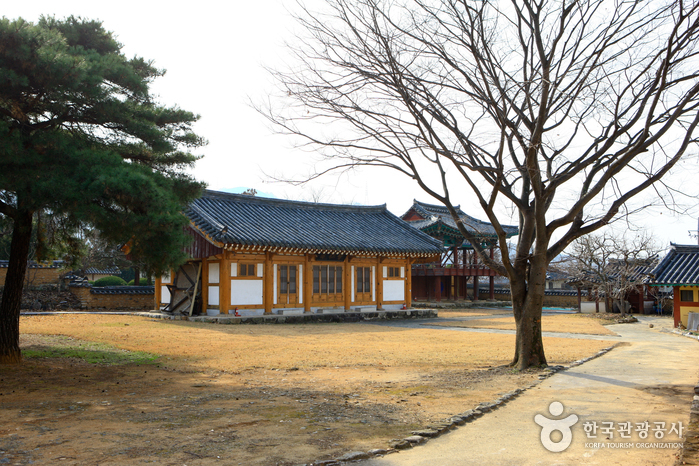
Hyanggyo Local Confucian Schools were government-run provincial schools established separately during Korea's Goryeo and Joseon periods. It was a place for achieving success in government or for holding ancestral rites. Cheongdohyanggyo Local Confucian School was first built in 1568 in the middle of the Joseon dynasty and has been relocated twice. This location is known as the burial place for Toegye Yi Hwang, the face of Korea's 1,000 won note and a historical figure who established Confucianism in Korea. One can see the shape of a tile-roofed hanok, and flowers and trees surround it, making it a nice place to stroll.
Cheongdo Stone Ice Storage (청도 석빙고)
2024-04-22
119-3 Dongsang-ri, Hwayang-eup, Cheongdo-gun, Gyeongsangbuk-do
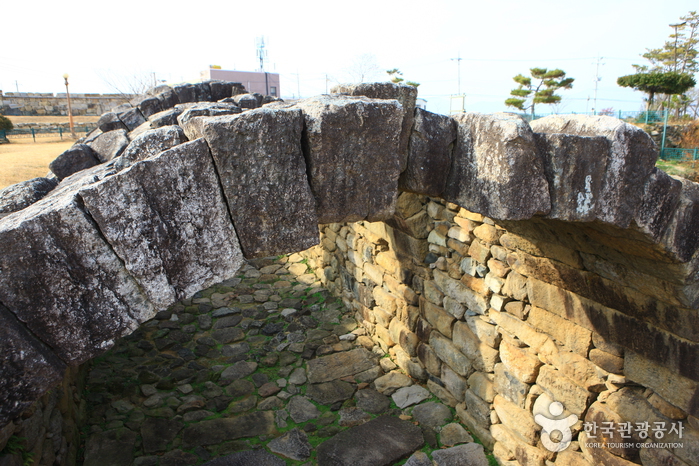
Stone ice storage was a type of building used to store ice in the past. Some of them are preserved today in Korea, including Gyeongju, Andong, and Cheongdo in the Gyeongsang-do area. The Cheongdo Stone Ice Storage was constructed during the Joseon dynasty, and now just part of the ceiling remains, allowing visitors to see inside.
As a building used to store ice, it was built in the form of a warehouse dug into the ground. While looking around and observing the interior is possible, visitors may not enter the icehouse for safety reasons. At night, there are lights on around the ice storage, which makes viewing possible at anytime. It is located across from Cheongdoeupseong Walled Town, making it a good stop when visiting.
 English
 한국어
한국어 日本語
日本語 中文(简体)
 Deutsch
 Français
 Español
 Русский


