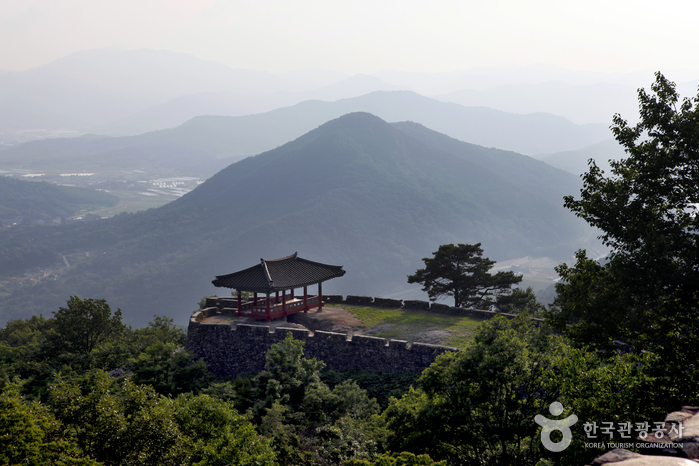
Geumseongsanseong Fortress (담양 금성산성)
2025-01-13
Dorim-ri, Damyang-gun, Jeollanam-do
+82-61-380-2812
Geumseongsanseong Fortress in Geumseongsan Mountain (603m) forms a boundary
between two small villages located on the border of two provinces (Geumseong-myeon,
Damyang-gun, Jeollanam-do and Sunchang-gun, Jeollabuk-do) and is one of the
three popular mountains of the Honam region (the Southwestern region of Korea
that includes Jeollanam-do and Jeollabuk-do). The fortress is surrounded by
two walls connecting Cheolmabong Peak, Undaebong Peak, and Jangdaebong Peak.
The total length of the outer wall is 6.486 meters and inner wall is 859 meters.
Historians are uncertain about the year the fortress was built, and
have concluded that it dates back to the Three Kingdoms Period (57 BC – 676 AD) based on an examination of the ruins and remains discovered in the surrounding
area. The fortress was reconstructed in 1409 and repaired in 1610 after the
Imjin War (1592-1598). Following that, it continued to develop into a strong
military base.
- Classification: Historic Site No. 353
- Date of Designation: August 24, 1991
- Owner: Park Jinseong and 85 persons
- Age: Three States Era
- Site Area: 1,349,977㎡
- Kind of Cultural Properties: Castle Site
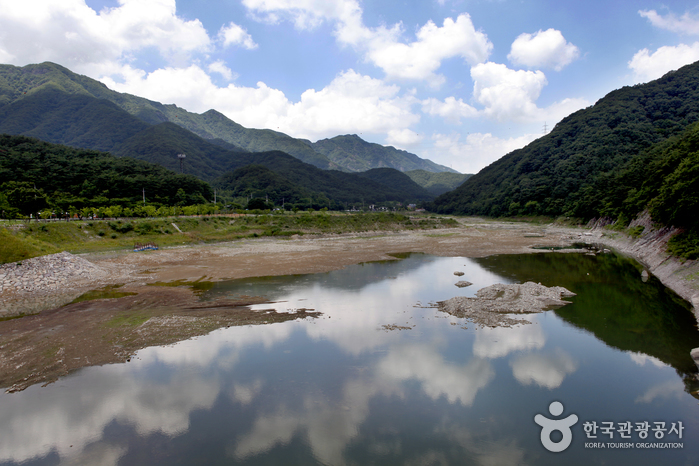
Chuwolsan Mountain (추월산)
2025-01-13
981, Chuwolsan-ro, Damyang-gun, Jeollanam-do
+82-61-380-3492
Located 13 kilometers away from Damyang-eup, Chuwolsan Mountain (731 m) was designated Jeollanam-do Provincial Monument No. 4 and is one of the five famous mountains of Jeollanam-do. It marks the boundary between Jeollanam-do, South Jeolla Province (Wolgye-ri, Yong-myeon, the most northern town in Damyang-gun) and Jeollabuk-do, North Jeolla Province (Bokheung-myeon, Sunchang-gun). The mountain has a dense forest, rock formations and stones, and rock walls that look like manmade fortifications with a narrow path to the west which can accommodate only one person at a time.
Shaped like a Buddhist monk lying down when it is seen from Damyang-eup's side, it is popular for its various naturally grown medicinal herbs as well as rare kinds of Chuwolsan orchids. The base of the mountain has gentle slopes and densely packed old pine trees, making it the best destination for families in summer. The hiking trail is hard to climb despite the fact that the peak is not very high. However, it is visited by mountain climbers all year long.
Before reaching Sangbong Peak, there is a hermitage and a mineral spring that never dries up. The peak also boasts an impressive view of the surrounding area, including Damyangho Lake. Chuwolsan Mountain was a battle site during the Imjin War along with the nearby Geumseongsanseong Fortress. The last battle of Donghak Peasant Revolution also took place at Chuwolsan Mountain.
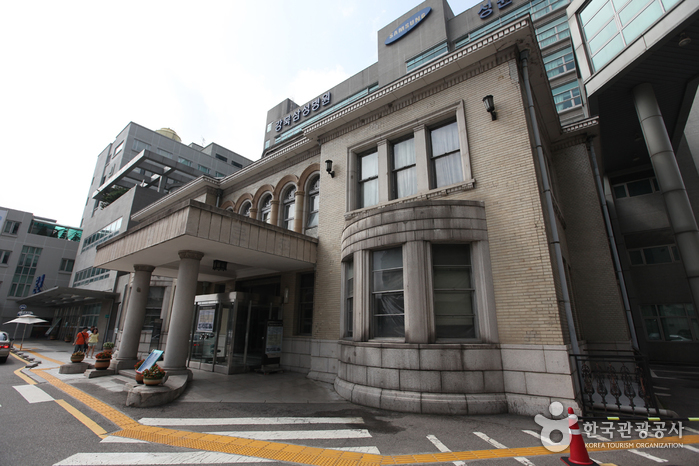
Seoul Gyeonggyojang House (서울 경교장)
2021-09-15
29, Saemunan-ro, Jongno-gu, Seoul
+82-2-735-2038
Gyeonggyojang House, a designated Historic Site, was the location of the provisional government and the place where Baekbeom Kim Koo passed away. Seoul reproduced the historical site, Gyeonggyojang House, to use the area as an educational site. Also, the house exhibits the history of the provisional government in order to see the history more clearly.
Restoration work included the demolition of the interior that was changed when the building was turned into a hospital facility and embassy after Kim Koo passed away in 1949. During the work, the remaining parts were maintained with the utmost care. Reconstructed parts were based on the building's floor plan written in Chosun and Architecture (8th edition in 1938). Visitors can see various contents related to the Korean Provisional Government history through relics, video, and information searching corners.
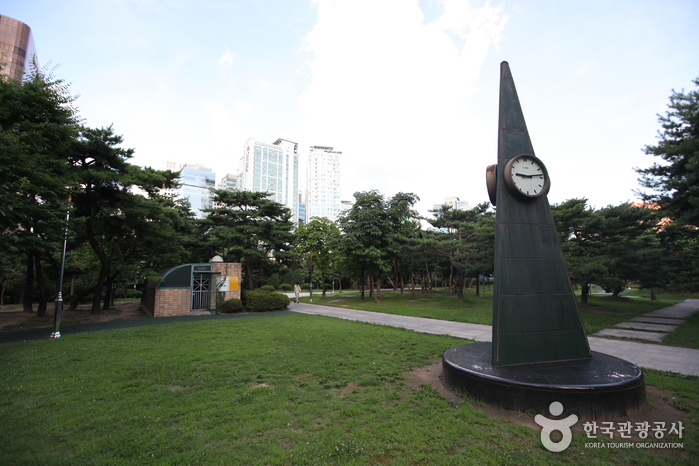
Seosomun Historical Park (서소문역사공원)
2023-08-11
5, Chilpae-ro, Jung-gu, Seoul
The Seosomun Gate area, which is located outside Seosomun Gate, was used as a persecution site in the 19th century before it turned into the local park of today. Many Catholics were suppressed and martyred here, making the area a holy site for Korean Catholics. Seosomun Gate was a gateway to Chilpae Market located near Namdaemun Gate. It was always busy with passerbys and the persecution site was established outside the gate to set an example of crime punishment to all the witnesses.
On May 15, 1999, a memorial tower was raised at the center of the park in honor of the martyrs. In 2013, Seoul's Jung-gu district also founded Seosumun Holy Shrine History Museum with a memorial exhibition hall in their honor.
Seoul Cathedral Anglican Church or Korea (대한성공회 서울주교좌성당)
2020-03-30
15, Sejong-daero 21-gil, Jung-gu, Seoul
+82-2-730-6611
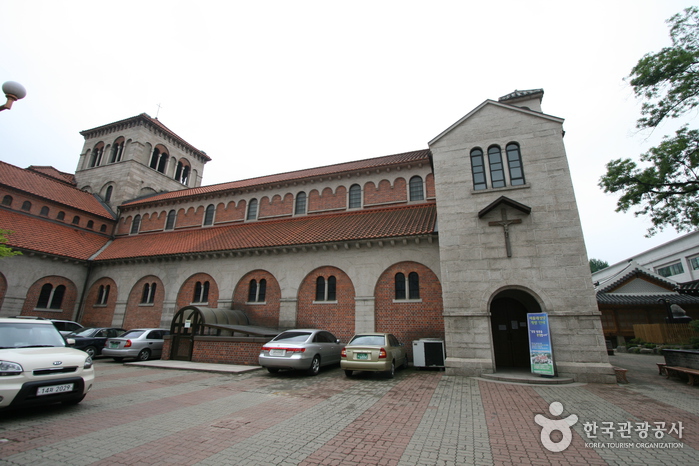
Seoul Cathedral Anglican Church of Korea began
construction under Mark Trollope, the third bishop of the Anglican Church of Korea, in 1922. It was designed by a English architect Arthor Dixon. Dedication ceremony of the church was held On May 2, 1926 when the construction work hadn't been completed yet. At that time, the church building was a 3-storey building with
a 992 m² floor size. Later in 1993, the original blue print of the church was found at a library in England and the construction resumed
and would be completed in 1996.
The church building is a harmonious combination of Romanesque and traditional Korean style. The exterior of the church is shaped like a cross with various lines placed in harmony. Inside the cathedral, there are 12 stone columns symbolizing the 12 apostles, a
mosaic of Jesus on the front wall, and a brass plate in commemoration of Mark Trollope. Under the brass plate, the
remains of the bishop Mark Trollope are enshrined.
* Size: B1-3F
* Building site area: 519㎡ (157 pyeong), Ground area 909㎡ (275 pyeong)
Ganghwa Anglican Church (대한성공회 강화성당)
2020-04-18
10, Gwancheong-gil 27beon-gil, Ganghwa-gun, Incheon
+82-32-930-4571
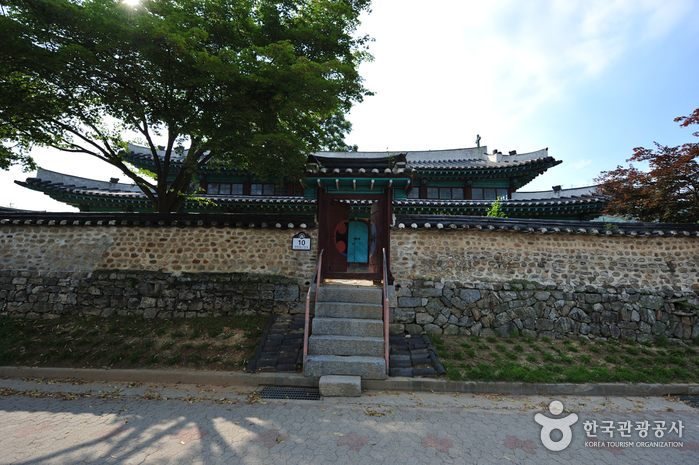
Ganghwa Anglican Church was consecrated in 1900 by Charies Jone Corfe, the First Bishop of the Church as the St. Peter and St.Paul’s Church. The church has since undergone several restorations, but the design remains true to the original.
The two-story 4x10 rectangular building is characterized by traditional Korean construction style on the outside while the interior is a Western Basilica style symbolizing the beauty of harmony and Korean tradition. It was first designated as Gyeonggi-do Tangible Cultural Property No. 154 and then became Incheon Tangible Cultural property when Ganghwa was included in Incheon Metropolitan City. In January 2001 it was designated as Historic Site No.424 of Korea.
Jeju Horse Park (조랑말체험공원)
2024-01-11
381-15 Noksan-ro, Seogwipo-si, Jeju-do
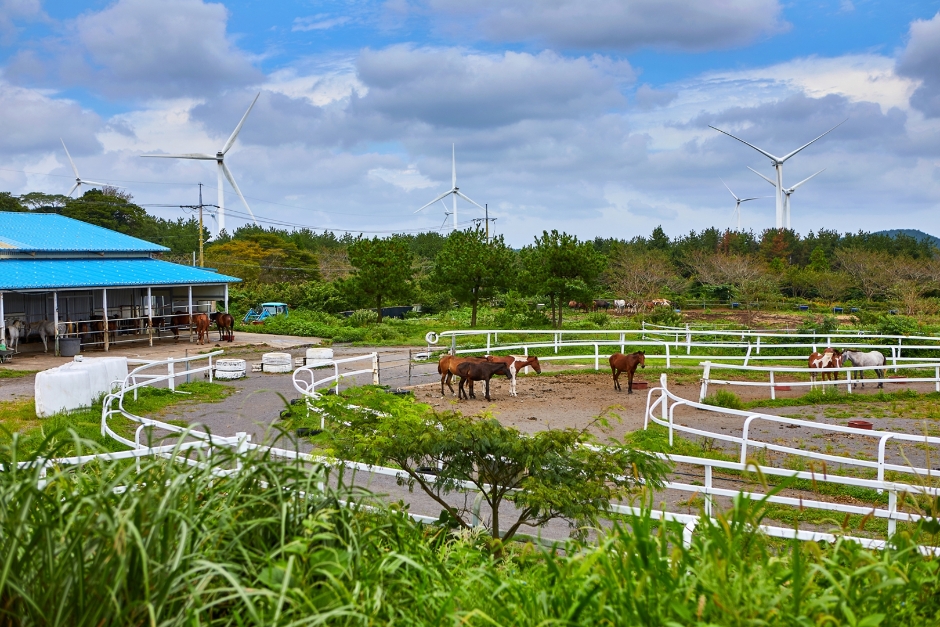
Jeju Horse Park offers a venue to promote Jeju’s horse culture in an easy and fun way. The park has kept intact the 600-year history of nomadic culture at the site of Gasi-ri Village which used to house Gammajang, the place for raising the best horses during the Joseon dynasty. The park includes the Jeju Horse Museum, Ttarabi horseback riding track, Maeum Cafe, Mongol Yurt Guesthouse, camping site, Art Shop, and an experience place to focus on the Project for a New Cultural Space Creation through the support of the Ministry of Agriculture, Food and Rural Affairs. The Jeju Horse Museum was the first national museum created by a village and its main theme covers the history and culture of the village. It is also regarded as a new form of community business model.
Sinteuri Park (신트리공원)
2021-07-08
21, Sinteuri-ro, Bupyeong-gu, Incheon
+82-32-509-6973
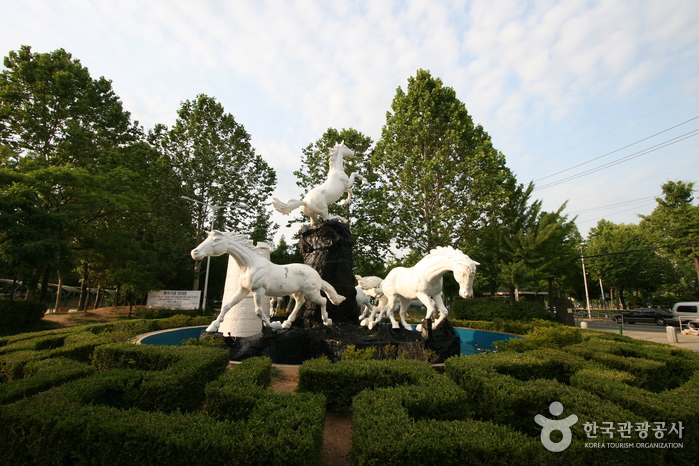
The city of Bupyeong is surrounded by Gyeyangsan Mountain, Cheolmasan Mountain, and Manwolsan Mountain, which all form a basin-shaped area in the center. Bupyeong slowly began to establish itself as a city after the opening of Gyeongin railway and the U.S. Army base established right after the Korean War. Sinteuri Park in Bupyeong 4(sa)-dong neighborhood is equipped with outdoor recreational facilities including a soccer field, tennis court, badminton court, children's playground, walking trail, and water fountain, spanning an impressive 58,594 ㎡. It also has a library with 1,500 seats, and a floor area of 7,869 ㎡. The park serves as a main recreational area for Bupyeong residents.

Ganghwa Seodo Central Church (강화 서도 중앙교회)
2020-06-16
256-1, Jumundo-gil, Ganghwa-gun, Incheon
+82-32-760-6474
By the late Joseon dynasty, Ganghwado Island had already been attacked many times by foreign invaders. During the Byeonginyangyo (the French invasion in 1866), the French fleet stayed in Ganghwado for about a month until they withdrew their forces after losing during the Jeongjoksanseong Battle. During the Sinmiyangyo (the United States expedition to Korea in 1981), the American fleet attacked Chojijin Fortress, Deokjinjin Fortress and Gwangseongbo Fortress. Hence,
Ganghwado played a big part in South Korea opening its doors to the West in the 19th century. Ganghwado also became the Western Christian missionaries' center of activity for their missionary works.
There are three remaining churches that were built in that time that were influenced or built by the Western Christian Missionaries: Ganghwa Anglican Church established in 1900, Ganghwa St. Andrew's Church established in 1906, and Ganghwa Seodo Central Church established in 1923.
Ganghwa Seodo Central Church started contruction in February 1923 and was completed as a Korean-architecture chapel in July 1923. The original name was Jumun Church and it was renamed as Seodo Central (Jungang) Church in 1978. The church belongs to The Korean Methodist Church.
Even though the building of the church doesn't reflect outstanding building techniques and aesthetic qualities, a Western church with a Korean-style wooden structure such as Ganghwa Seodo Central Church is still worth a visit.
Ganggyeong Bugok Methodist Church (구 강경성결교회 예배당)
2020-03-06
40-1, Gyebaek-ro 219beon-gil, Nonsan-si, Chungcheongnam-do
+82-41-746-5412
The early form of church architecture was mostly hanok (Korean traditional houses) style as it was the time when missionary activities were just settling. As most leaders of the congregation were Westerners, they felt uncomfortable in these Korean-style buildings and started building Western-style churches. As a result, most of the Korean-style churches either disappeared or underwent reconstruction.
However, Ganggyeong Bugok Methodist Church has kept its Korean-style building to this day, making it a very unique and valuable piece of architecture. This building is regarded as an important material for studying the technological transition from the traditional to the modern.
 English
 한국어
한국어 日本語
日本語 中文(简体)
 Deutsch
 Français
 Español
 Русский


