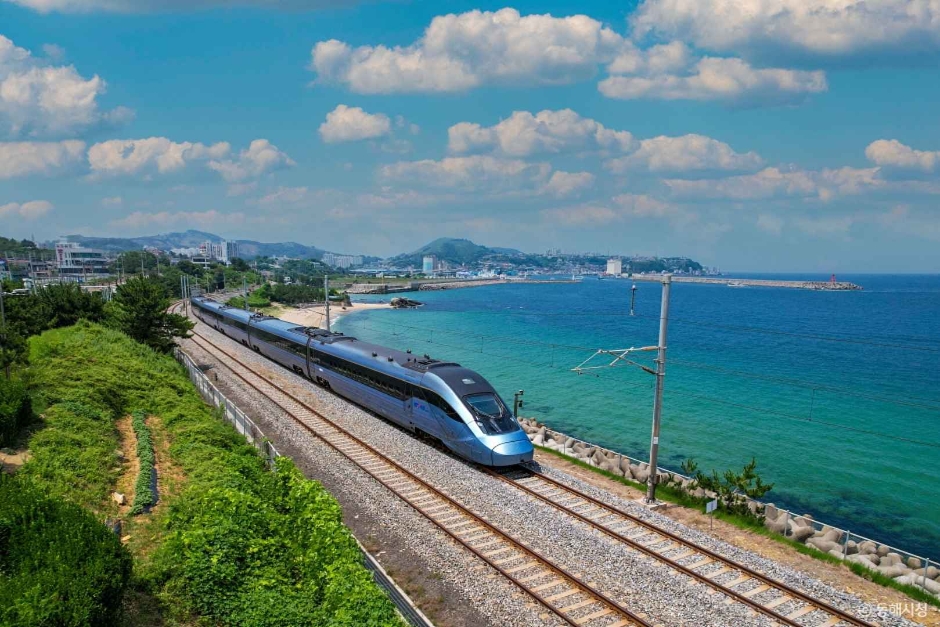
Hapyeonghaebyeon Beach (하평해변(동해))
2025-07-18
Pyeongneung-dong, Donghae-si, Gangwon-do
Hapyeonghaebyeon Beach is a tranquil beach with a shallow shore lined with pine groves. The beach is only 20 minutes away on foot and 10 minutes' ride from Donghae Express Bus Terminal, making it a great beach destination for family vacationers and tourists. The 20-meter wide shoreline is 200 meters in lenth, all covered with white sand. The beach also has rocks along the coast that act as a natural breakwater, preventing rough waves from entering the shore, ensuring a safe and enjoyable environment for swimming.
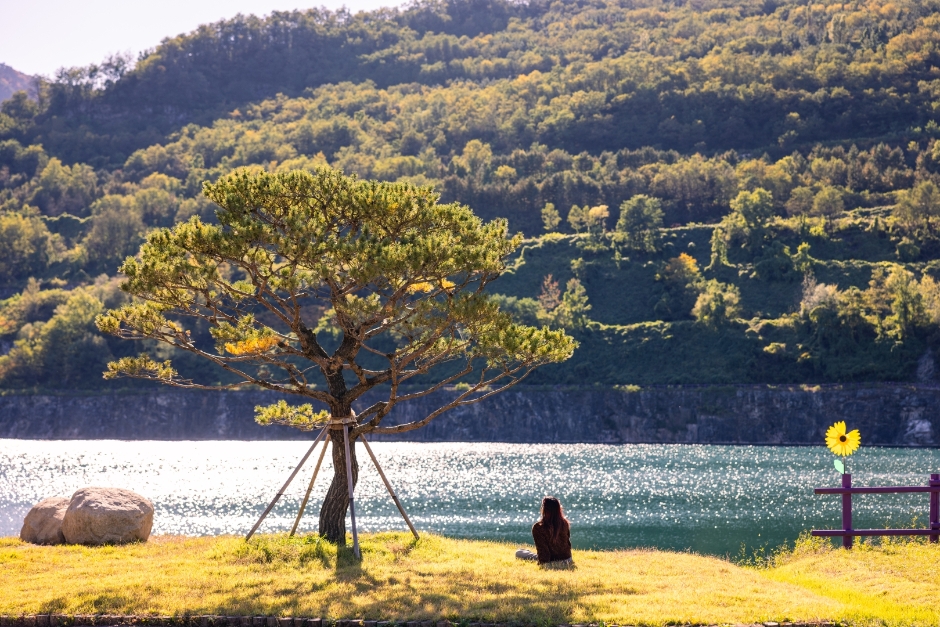
Murung Byeolyucheonji (무릉별유천지)
2025-07-18
97 Igi-ro, Donghae-si, Gangwon-do
Mureung Byeolyucheonji was initially a limestone mine that opened in 1968. After 40 years of service as a mine, today it serves as a tourist attraction that boasts beautiful emerald lake and diverse activities. Mureung Byeolyucheonji gets its name from the rock-carved engravings in Mureunggyegok Valley and has the meaning "the place with the best view under the sky, a utopia away from the world." The attraction lives up to its name thanks to the beautiful surrounding mountain scenery pit lakes. Visitors can also enjoy the view from a different angle through diverse rides, such as the Sky Glider, Alpine Coaster, and more.
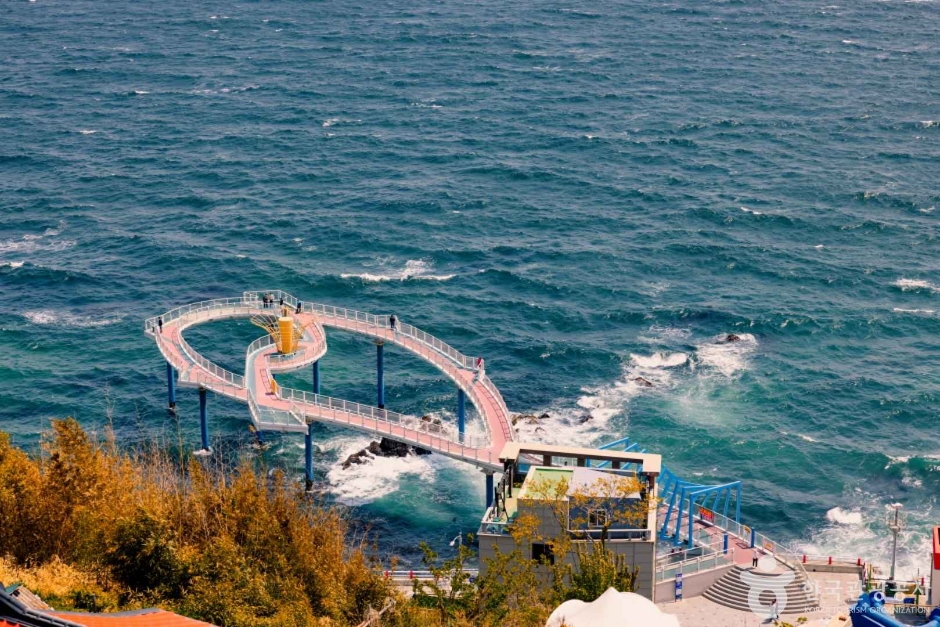
Dojjaebigol Haerang Observatory (도째비골 해랑전망대)
2025-07-18
Mukhojin-dong, Donghae-si, Gangwon-do
Dojjaebi is a dialect for dokkaebi, a mythical goblin in Korean folklore. Dojjaebigol Haerang Observatory, a 85-meter pedestian overpass, is designed to take the shape of a club known to be used dokkaebi. The word "haerang" means "the space where the sun, the sea, and you are all together." The entrance to the obsertory overpass is designed to give a sense as if one is warping into the realm of dokkaebi. The bridge floor is built using glass and mesh so that visitors can see the ocean water under their feet.
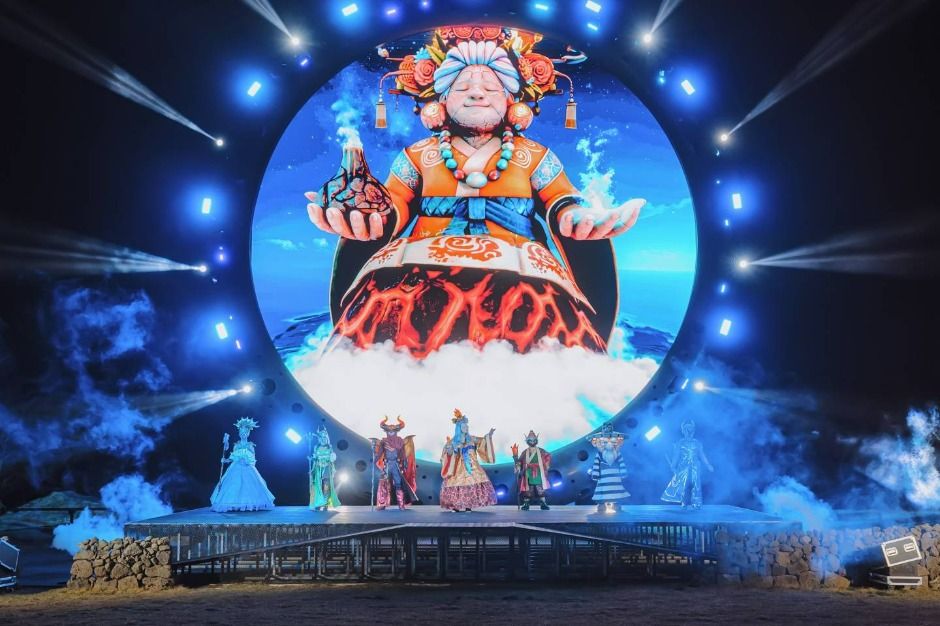
Lumiverse: Island of Light (빛의 섬 루미버스)
2025-07-14
631-34 Minsokhaean-ro, Pyoseon-myeon, Seogwipo-si, Jeju-do
Lumiverse: Island of Light is an evening theme park set in a Jeju folk village as a local-hip cultural entertainment attraction. A gigantic multimedia show and characters inspired by Jeju's folklore bring the night alive. The attraction's name is a portmanteau of "Lumi," wich means light in Latin, and "-verse" from the word "univserse," and is a brand that aims to recreate Jeju's mythical world with lights and arts. Visitors are invited to enjoy the evening with Jeju's mythical gods and goddesses, including the legendary guardian goddess Elderly Mago. The attraction is divided into seven illuminated themed zones, each focusing on one of the seven gods and goddesses. Each theme is decorated using lights, artworks, sound effects and narratives that are sure to enchant one's mind.
Gangneung Anbandegi Tourist Farm (강릉안반데기관광농원)
2025-07-10
203 Anbandegi 1-gil, Wangsan-myeon, Gangneung-si, Gangwon-do
033-644-5882
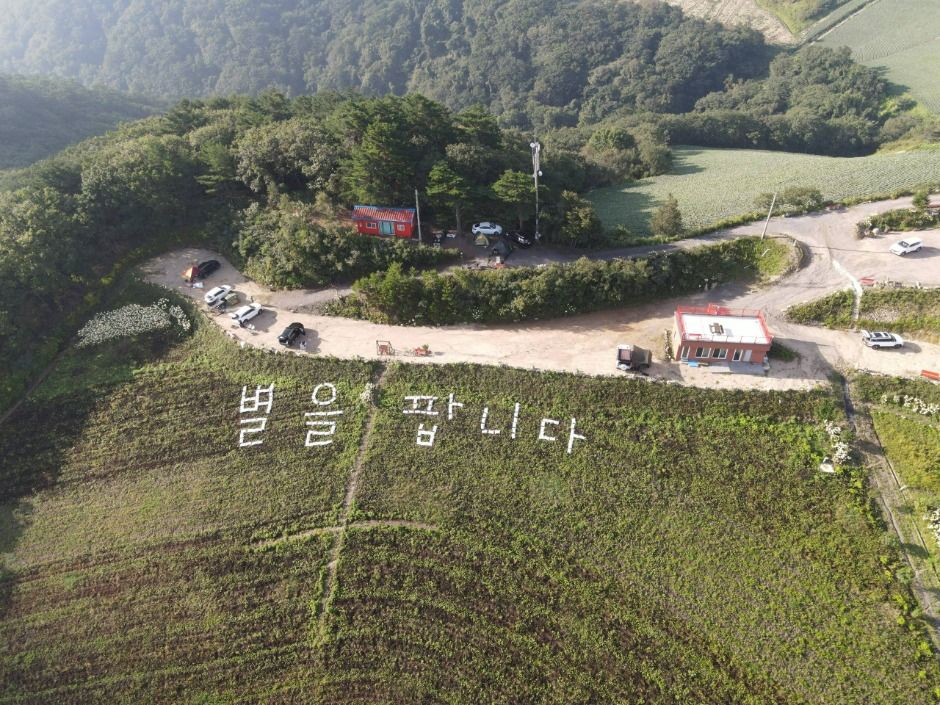
Located at a x_height of 1,100 meters above sea level in Gangneung, Anbandegi Tourist Farm is a privately owned farm. It offers various healing experience programs such as wild vegetable picking, healing forest trail trekking, stargazing, and camping, making it a perfect therapeutic escape.

Boeun White Dandelion Eco-Village (보은 하얀민들레한옥마을)
2025-07-11
111-2 Busu-gil, Hoein-myeon, Boeun-gun, Chungcheongbuk-do
Boeun White Dandelion Eco-Village is located in Boeun-gun. The hanok building comprises two floors. The upper part of the hanok is used for accommodation and dining, while the lower part of the building serves as both a gallery and lodging. In addition to accommodation, visitors can enjoy various hands-on experience programs, including embroidery, natural dyeing, printmaking, puffed grain making, and a Joseon-era lifestyle experience. It has recently gained popularity after being featured in a variety show with K-pop idols.
HiKR Station (하이커 스테이션)
2025-07-07
271 Gonghang-ro, Jung-gu, Incheon
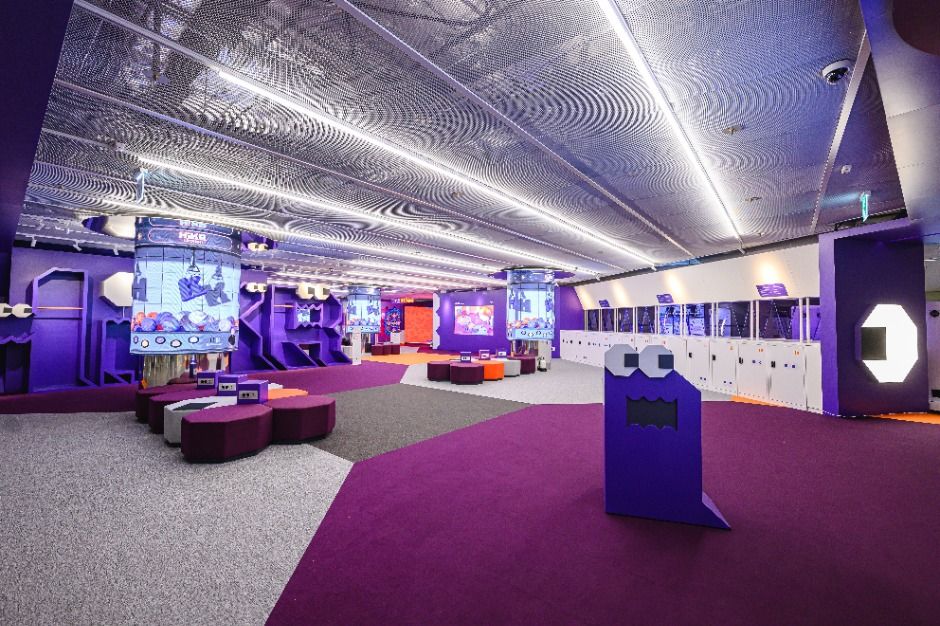
HiKR Station, located at Incheon Int’l Airport Transportation Center, is an extension of the Korea Tourism Organization’s HiKR Ground in Seoul. With hallyu contents such as K-pop and K-beauty, it offers visitors an opportunity to immerse themselves in vibrant Korean culture the moment they land. HiKR Station features various experience zones, including HiKR Stage, a space to become a K-pop star, HiKR Shot, a space to click shots with Korean landmarks in the backdrop, HiKR Pick, a space with HiKR branding products, and Beauty Up, a space with filming props & accessories. Friendly staff known as the Hi-ten crew are always present on-site to guide visitors.
Songhyeon Green Plaza (열린송현 녹지광장)
2025-11-11
Songhyeon-dong, Jongno-gu, Seoul
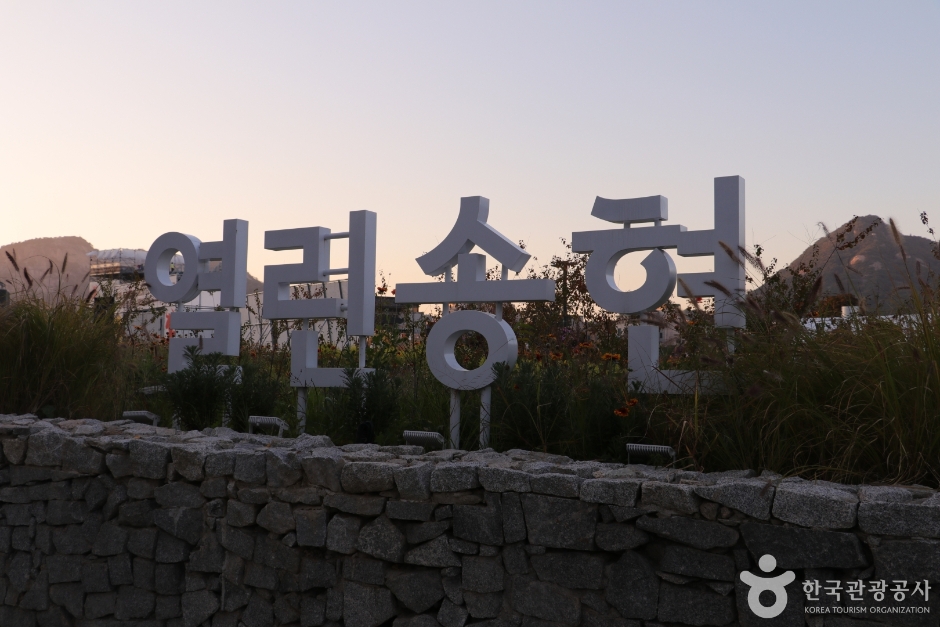
Songhyeon Green Plaza, located between Gyeongbokgung Palace and Jongno, is a space for culture and rest. The site was formerly used as housing for Shiksan Bank during Japanese rule. After Korea’s liberation, it served as a residence for the US Embassy and military personnel. Later in 1997, it was returned to the Korean government but remained unused for years. In 2022, the ownership was transferred to the Korean House and Land Corporation and then to the Seoul Metropolitan Government, which redeveloped it into a green plaza and opened it to the public. Upon entering the plaza, visitors are greeted by a spacious lawn adorned with flowers during the blooming season. The plaza is connected to the nearby tourist attractions through shortcuts cutting through it, including Cheong Wa Dae (Blue House), Gwanghwamun Plaza, Insa-dong, and Bukchon Hanok Village.

Sejong Village Food Street (세종마을 음식문화거리)
2025-06-17
Chebu-dong, Jongno-gu, Seoul
Previously known as Geumcheongyo Market, it was officially named Sejong Village Food Street in 2011, as King Sejong was born in this village. The street is full of lively energy and features both long-standing restaurants, also known as nopo in Korean, and recently established trendy eateries. Its convenient location and inviting atmosphere make it a popular place to visit.
Gyeongjuhyanggyo Local Confucian School (경주향교)
2025-06-12
27-20 Gyochonan-gil, Gyeongju-si, Gyeongsangbuk-do
Gyeongjuhyanggyo Local Confucian School is located near Gyochon Hanok Village in Gyeongju. The surrounding areas, Gyochon, Gyori, and Gyodong, derive their names because of this school. Although the exact date of its original construction is unknown, Gyeongju Hyanggyo was renovated during the reign of King Seongjong of the Joseon Dynasty, modeled after Seoul’s Seonggyungwan National Academy. The buildings follow the typical Confucian layout of “hall in the front, shrine in the back.” While seowon were private academies, hyanggyo were public institutions. Although it no longer serves the educational purpose, every spring and autumn it hosts traditional Confucian rituals. It also offers cultural programs such as tea ceremonies, rice-cake pounding, and archery. From April to October it hosts traditional Korean-style demonstration weddings, where visitors can participate in the ceremonies for free.
 English
 한국어
한국어 日本語
日本語 中文(简体)
 Deutsch
 Français
 Español
 Русский


