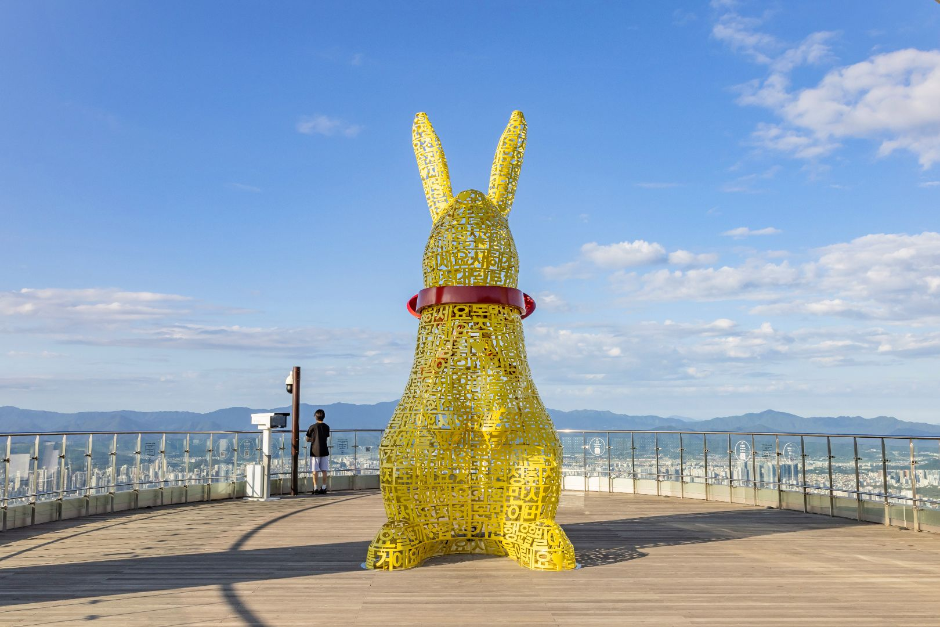
Apsan Cable Car (Apsan Observatory) (앞산 케이블카(앞산 전망대))
2025-10-23
574-114 Apsansunhwan-ro, Nam-gu, Daegu
+82-53-656-2994
Apsan Observatory, located in Nam-gu, is a famous tourist attraction in Daegu that offers a panoramic view of the city. Apsan Observatory's architecture has been praised for combining the city, nature, history, and future. Besides being a tourist attraction, it also serves as a place where Daegu citizens learn about their city.
◎ Travel information to meet Hallyu’s charm - TV series"What's Wrong with Secretary Kim"
When the news of their romance is made public to the rest of the company, Young-joon takes Mi-so out to this observatory to help her recover. The view from the observatory was enough to cheer Mi-so up right away. Apsan Café Street is located nearby, so it is a popular date spot for lovers.
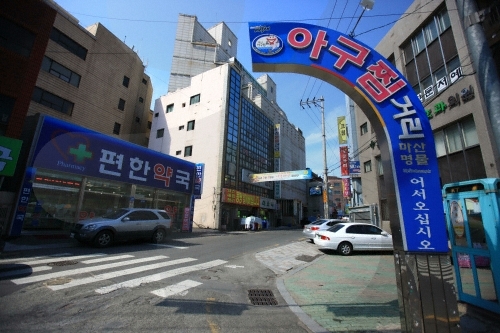
Masan Agujjim Street (마산 오동동 아구찜거리)
2021-01-25
20, Agujjim-gil, Masanhappo-gu, Changwon-si, Gyeongsangnam-do
+82-55-225-3691
Masan, located on the southern coast of Gyeongsangnam-do, is famous for agu jjim (steamed monkfish). The dish is both spicy and refreshing, pairing the sweet and mild monkfish with strong and spicy broth. Monkfish is known to be full of vitamin A, making it good for the skin, and low in fat. The vegetables mixed into the broth contain vitamin C, making this spicy dish a very nutritious meal.
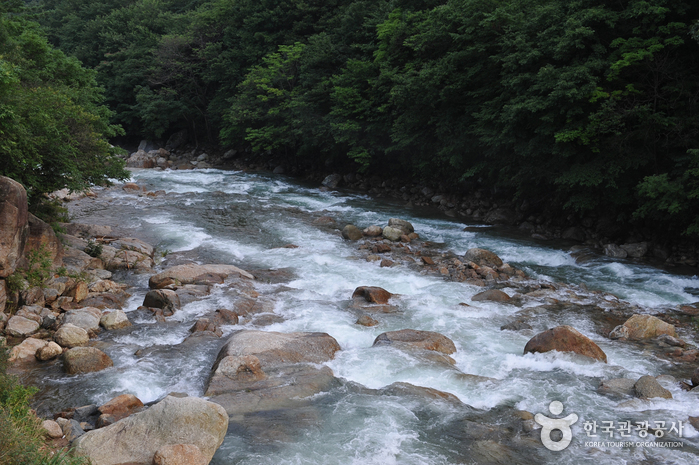
Baegunsan Mountain Donggokgyegok Valley (백운산 동곡계곡)
2021-04-23
154, Yaksujedan-gil, Okryong-myeon, Gwangyang-si, Jeollanam-do
+82-61-797-3333
Donggokgyegok Valley is one of four large valleys on Baegunsan Mountain. The valley opens up towards Gwangyang, with the waters of Dongcheon Stream flowing into Gwangyangman Bay. Donggokgyegok Valley is wide, making it convenient for transportation, and perfect for a family getaway during the holidays. Located along Hanjae Pass between the mountain summit and Ttoaribong Peak on the west side, the valley is also sometimes called Dapgoksimni. The valley stretches a distance of 10 kilometers and is especially beautiful in fall when surrounded by vibrant autumn foliage. Donggokgyegok Valley is a protected nature reserve with over 900 various species of vegetation.
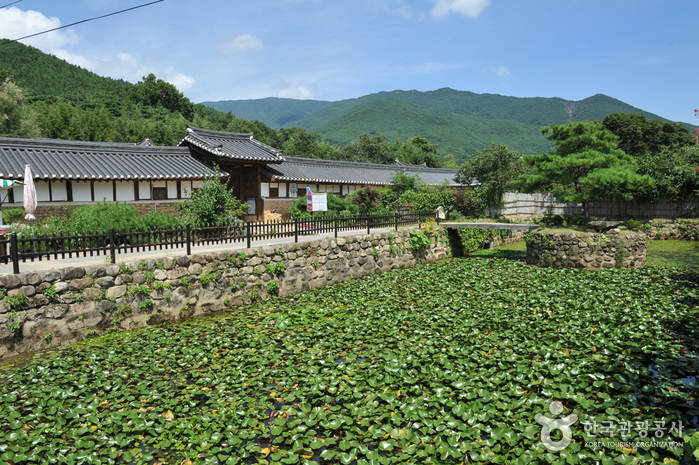
Gurye Unjoru Historic House (구례 운조루 고택)
2025-10-23
59 Unjoru-gil, Gurye-gun, Jeollanam-do
+82-61-780-2431
Unjoru Historic House was built in 1776 by Ryu I-Ju, a high government official of the Sam-su Department during the reign of King Yeong-jo. Of the house's original 99 kan (traditional building measurement), only 73 remain today. The name Unjoru means "a hidden house like a bird in the clouds," which was inspired from an old poem written by poet Tao Yuan Ming.
Samgwangsa Temple (삼광사)
2025-02-06
77 Choeupcheon-ro 43beon-gil, Busanjin-gu, Busan
+82-51-808-7111
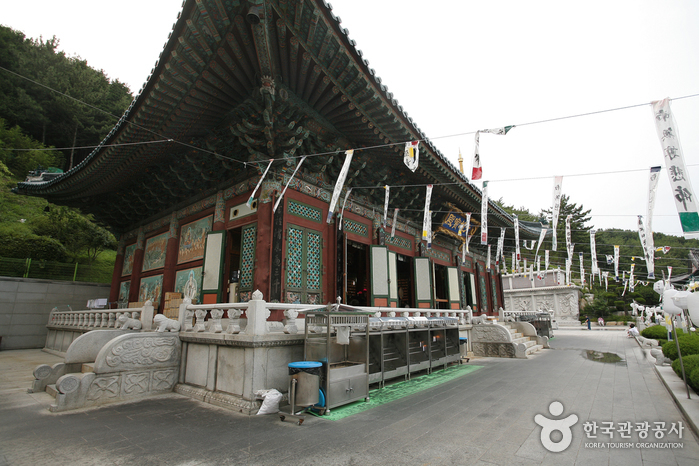
Samgwangsa Temple is a Buddhist temple located on the slopes of Baegyangsan Mountain in downtown Busan. It houses various structures including the Daeungbojeon Hall, Bell Pavilion, and the Daebotap Tower, which stands at a x_height of 30 meters. The Daebotap Tower enshrines Buddha's relic brought from Tibet, Myanmar, and India. The temple offers different types of temple stays such as one-day, relaxation-oriented, and experiential stays. Visitors can participate in temple etiquette, tea ceremony experiences, 108 prostrations and meditation, Buddhist services, formal meal, and traditional cultural experiences tailored for foreigners.
Manyeonsa Temple - Hwasun (만연사(화순))
2020-03-27
367, Jingak-ro, Hwasun-gun, Jeollanam-do
+82-61-374-2112
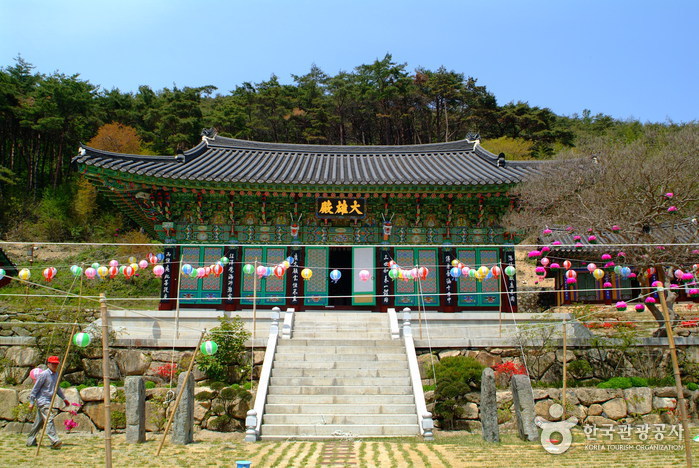
Manyeonsa Temple is known to have been built in 1208, the fourth year of King Heejong’s (r. 1204-1211) reign during the Goryeo dynasty.
It is said that Manyeonsa Temple was constructed by Great Monk Manyeon after he dreamt of 16 nahans, Buddha’s disciples, preparing to build a temple to preserve Buddha’s statue when taking a short nap during his journey back to Songwangsa Temple in Jogyesan Mountain from Wonhyosa Temple in Mudeungsan Mountain. When he awoke from his nap, he noticed that snow had completely covered his nearby surroundings except for the exact spot where he lied down, which remained so warm that snow had melted and steam was rising from the ground. He then settled in the area by building a dugout where he continued to practice asceticism and later built Manyeonsa Temple.
The temple was partially destroyed during the Korean War (1950) and restoration efforts were made in 1978.
Seoul Tower Plaza (서울타워 플라자)
2016-08-18
105, Namsangongwon-gil, Yongsan-gu, Seoul
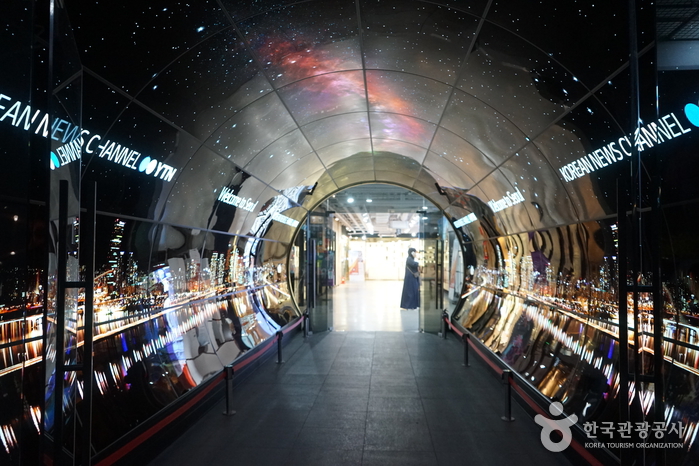
N Seoul Tower used to be the tower for broadcasting transmission and the bottom levels of the tower have restricted access to authorized staff only. Since the remodeling to the Seoul Tower Plaza in 2015, these levels are now opened the public. Visitors to the Seoul Tower Plaza building can also enjoy the terrace that is installed to serve as a walking trail for leisure walks. A beautiful panoramic view of Seoul can also be seen from 243m in x_height. at the summit of Namsan Mountain.
Yu Chi-hwan Postbox Observatory (유치환 우체통 전망대)
2020-09-18
2, Mangyang-ro 580beon-gil, Dong-gu, Busan
+82-51-469-9818
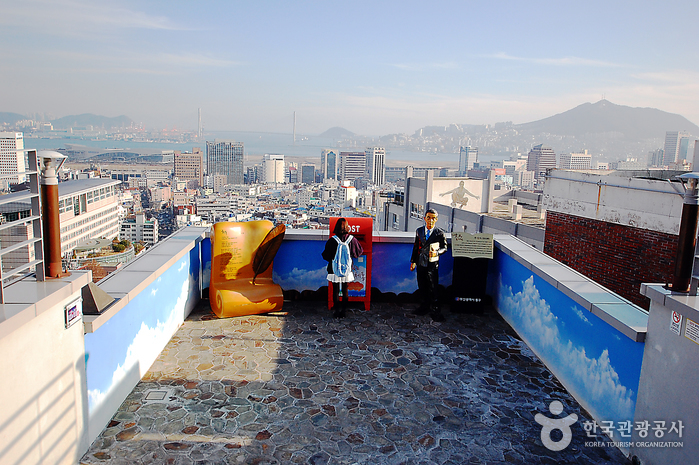
This is an observatory located along Sanbok-ro Road in Choryang-dong, Dong-gu, Busan. A mailbox was installed to celebrate the artworks and literature of famous poet Yu Chi-hwan. The observatory is divided into two levels. The first level consists of a terraced outdoor performance stage, while the second level is an art exhibition area, designed with floor to ceiling windows.
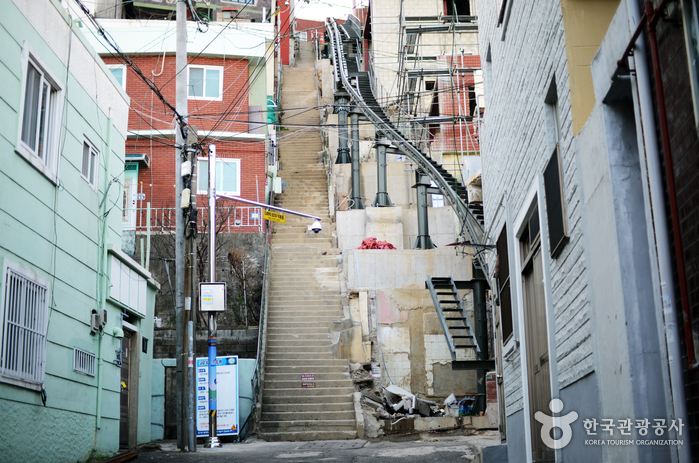
168 Stairs (168계단)
2023-01-03
9, Yeongcho-gil 197beon-gil, Dong-gu, Busan
+82-51-253-8253
This is the fastest way to go downhill from Sanbok road to Busan port. The stairs are known to be as tall as a 6-story building and have exactly 168 steps. In the past, there used to be 3 wells located at the bottom of the stairs, which locals would wait in line to draw water when there was insufficient water, but now, there is only one well with drinking water.

Democracy Park (민주공원)
2021-02-24
19, Minjugongwon-gil, Jung-gu, Busan
+82-51-790-7400
Busan Democracy Park was created to commemorate and continue the spirit of Busan residents who significantly devoted their lives during the 4.19 Revolution, Buma (Busan and Masan) Democratic Movement and June Democratic Movement.
The park has several amenities such as a Grand Hall, Cubby Hall, and an arboretum. The Grand Hall is used to hold international conferences, academic events, lectures, and performing arts while the Cubby Hall is used for small conferences, lectures and a film theater.
 English
 한국어
한국어 日本語
日本語 中文(简体)
 Deutsch
 Français
 Español
 Русский


